



Luxury Forum: California's Golden Opportunity
Ninth Luxury Forum spotlights luxury product and outdoor experiences in the High Sierra as Visit California unveils evolution of luxury strategy
Leona Reed, Vice President of Global Marketing
April 13, 2026
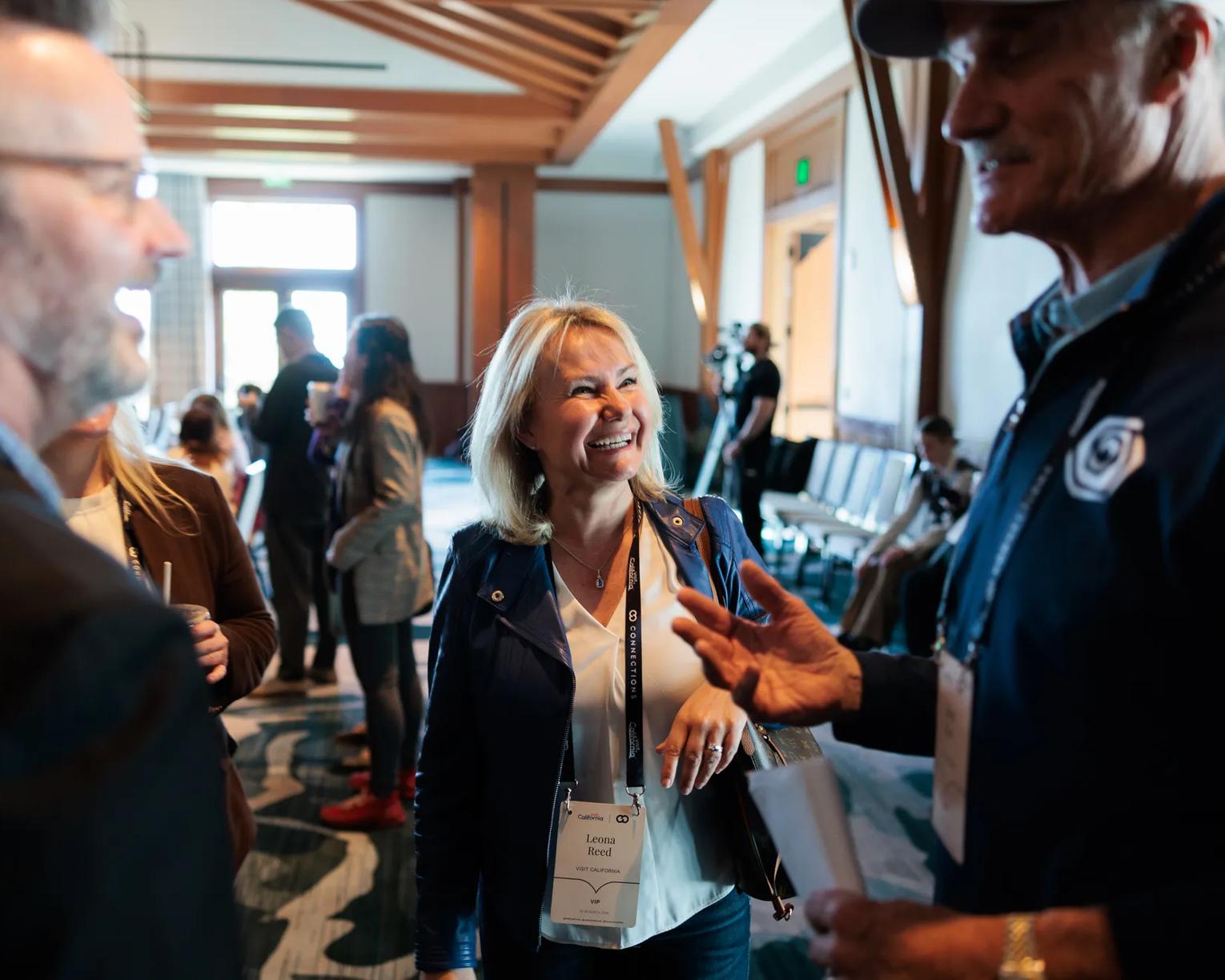
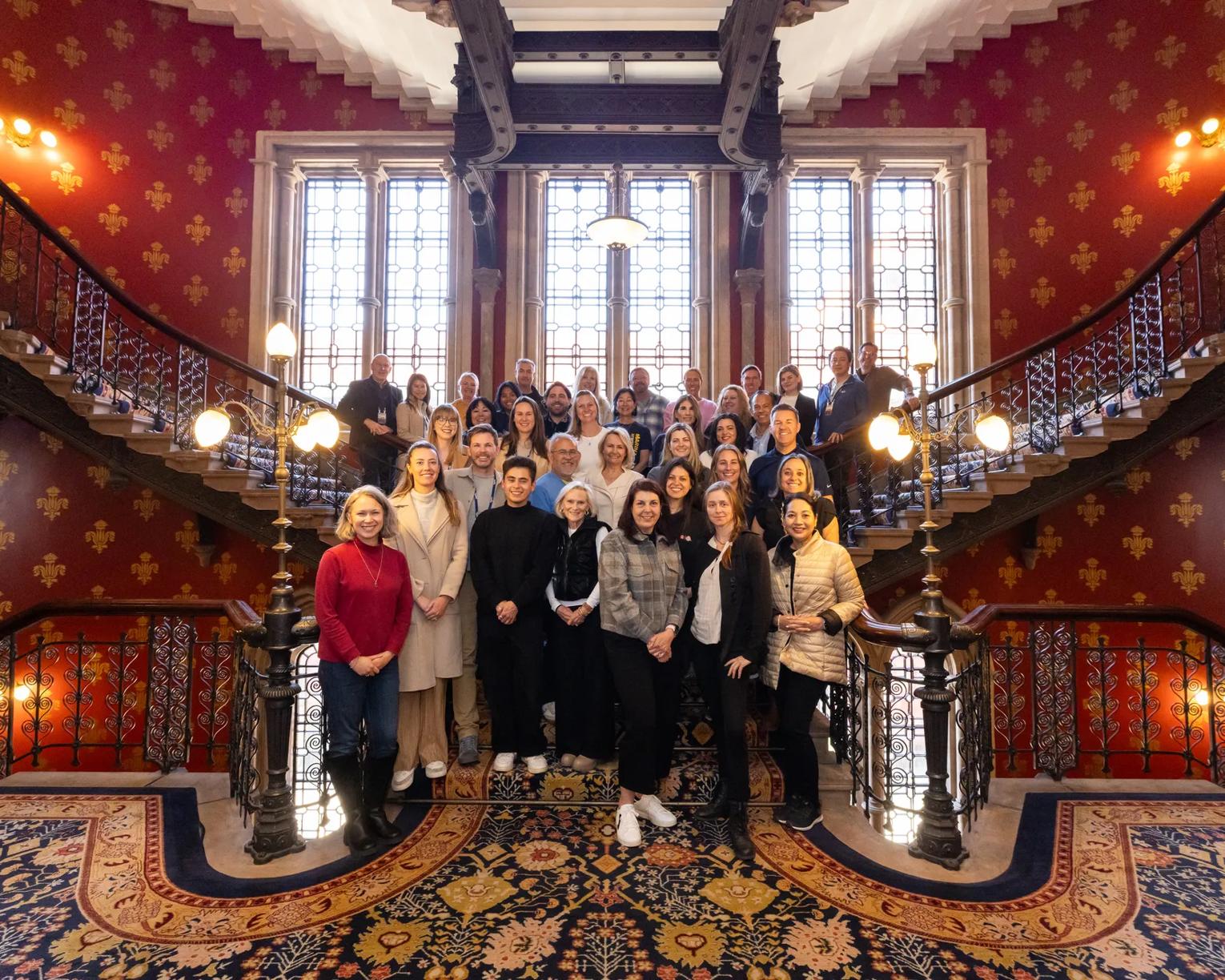
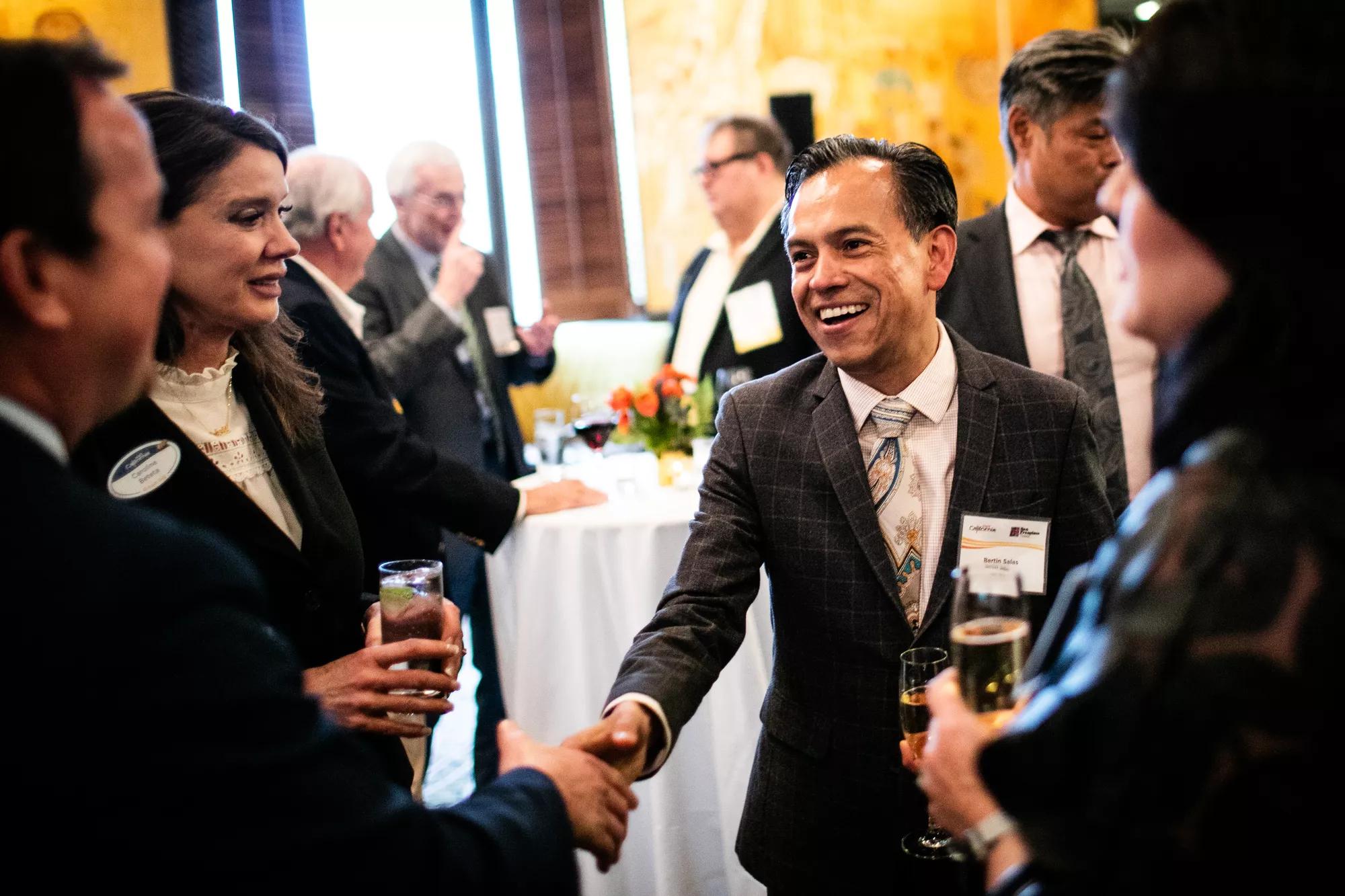
Visit California brought together 34 California suppliers with 35 luxury travel buyers from 11 countries for the 2026 edition of California Luxury Forum March 22-27. It was the first time this signature in-market event has been set in a winter snow destination, allowing California to showcase extraordinary outdoor experiences while attendees made invaluable business connections.
The Lake Tahoe Travel team and their partners rolled out the red carpet for our VIP guests — travel designers who book travel for the world's most discerning travelers. Buyers and suppliers bonded over one-on-one experiences and networking opportunities over three days based at The Ritz-Carlton, Lake Tahoe. They skied at Palisades Tahoe and Northstar and embarked upon excursions on and around the lake.
Four media representatives also attended as part of a larger High Sierra press trip that paired time on the slopes in Mammoth with Lake Tahoe. All 35 attending buyers went to the Yosemite region for a post-trip immersion at the newly updated Firefall Ranch in Groveland. Buyers toured Yosemite National Park and captured photo ops of iconic landmarks and vistas before wrapping up with a finale dinner at sunset back at Firefall Ranch.
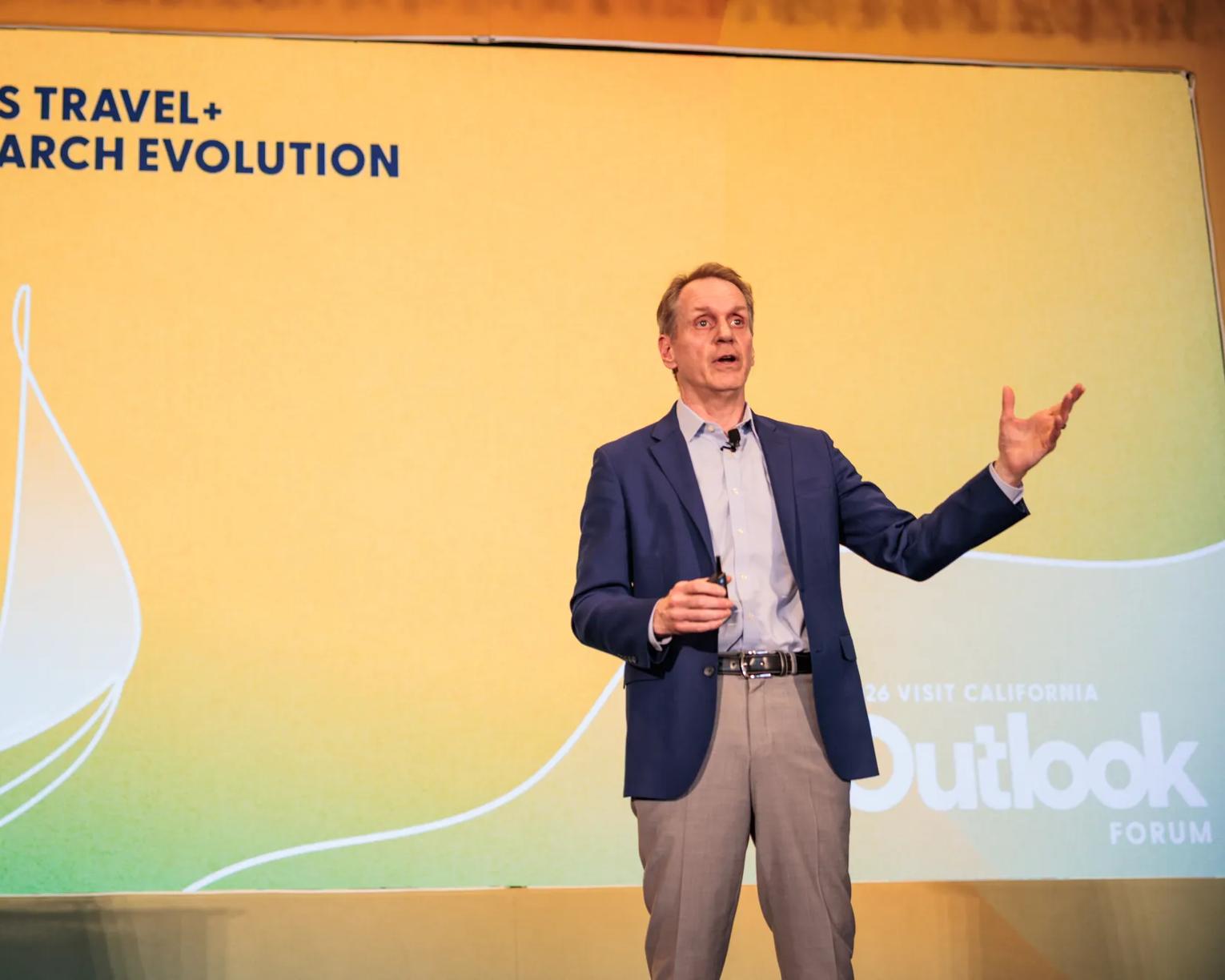
Beyond the spectacular setting and business conducted, California Luxury Forum was a moment to gain insight on where the luxury travel market is heading.
Understanding the changing luxury travel audience
Luxury travel is now the fastest-growing segment in global tourism, on track to reach $391 billion by 2028. That growth is being powered by two distinct forces. The first is the rapid expansion of ultra-high and high-net-worth individuals – the most recession-proof travelers in the world and California's primary luxury audience. The second is a larger and younger wave of aspirational luxury travelers with net worths between $100,000 and $1 million, who are increasingly willing to allocate significant shares of their wealth to upscale travel.
While the aspirational luxury travel market is more than 2.5 times the combined size of the ultra-high-net-worth and high-net-worth segments, size alone doesn't determine priority. When it comes to economic impact per visitor, the ultra-wealthy remain in a class of their own.
Generational dynamics are accelerating this shift. Travelers under 60 now represent 80% of the luxury leisure market. Spending peaks between ages 40 and 60, and younger consumers are entering that window with both the desire and the financial means to travel at luxury levels. A historic $84 trillion wealth transfer is further amplifying this, as millennials and Gen Z inherit substantial assets and begin making their own travel decisions.
The impact of the K-shaped economy
The K-shaped economy is reshaping luxury travel demand. The market is bifurcating sharply. At the top end, ultra-wealthy travelers are driving record demand for top suites, private villas and bespoke experiences. At the lower tier, aspirational luxury travelers are feeling the squeeze of inflation, and entry-level luxury rooms are sitting empty while peak suites sell out at premium rates.
The middle is disappearing. And that has real implications for how California positions its luxury product. Success in this environment isn't about casting a wide net – it's about knowing which tier you're speaking to, and making sure your offering resonates with the high-net-worth travelers who are spending with confidence. Product positioning has never mattered more.
The definition of luxury is evolving
There's another shift influencing Visit California’s strategy: the definition of luxury itself is changing. Traditional status goods are losing their primacy as markers of exclusivity. While the global luxury goods market remains relatively flat, affluent consumers are continuing to grow their spending on travel. Travel increasingly is the luxury.
Today's luxury is expressed through rare, meaningful and emotionally resonant experiences. The industry is moving away from traditional opulence to deeply personal encounters and trips tailored to individual identity rather than aspirational status. Travelers want to feel genuinely understood. And these shifts play directly to California's strengths.
California's luxury advantage isn't built on grandeur for its own sake. It's built on space and openness, access to extraordinary nature, cultural depth and creative energy, wellness as a way of life and a relaxed approach to excellence. And it’s what the market is looking for.
What’s next for the Golden State
Despite having some of the most compelling luxury assets in the world, California lacks top-of-mind positioning among luxury travelers. That's the gap we're working to close as we enter the next chapter of our luxury strategy.
Built on a decade of establishing trust with the luxury trade community, Visit California’s luxury strategy 2.0 is a three-year plan organized around three priorities: evolving our foundational programming to expand our global network of luxury travel designers; cultivating California's credibility as a genuine luxury brand and resource for discerning travel professionals; and creating more opportunities in the luxury space for our California industry partners.
We know that ultra-high-net-worth and high-net-worth audiences are best reached through established channels—primarily travel advisors and earned media, not direct consumer marketing. So the strategy centers on making Visit California an indispensable, concierge-level resource for advisors through a refreshed brand expression, new owned content channels, one-on-one touchpoints and sales missions to key domestic markets. Personal connection builds trust, and trust is what moves this audience.
Luxury Forum itself is a perfect expression of this philosophy. Shared, immersive experiences between suppliers and buyers, set in California landscapes that can't be replicated anywhere else, create the kind of lasting relationships that translate into bookings, itineraries and long-term advocacy.
We're at an exciting inflection point in luxury travel, and the Golden State is well positioned to lead. The market is growing, the audience is evolving and California product delivers what today’s luxury travelers seek.